
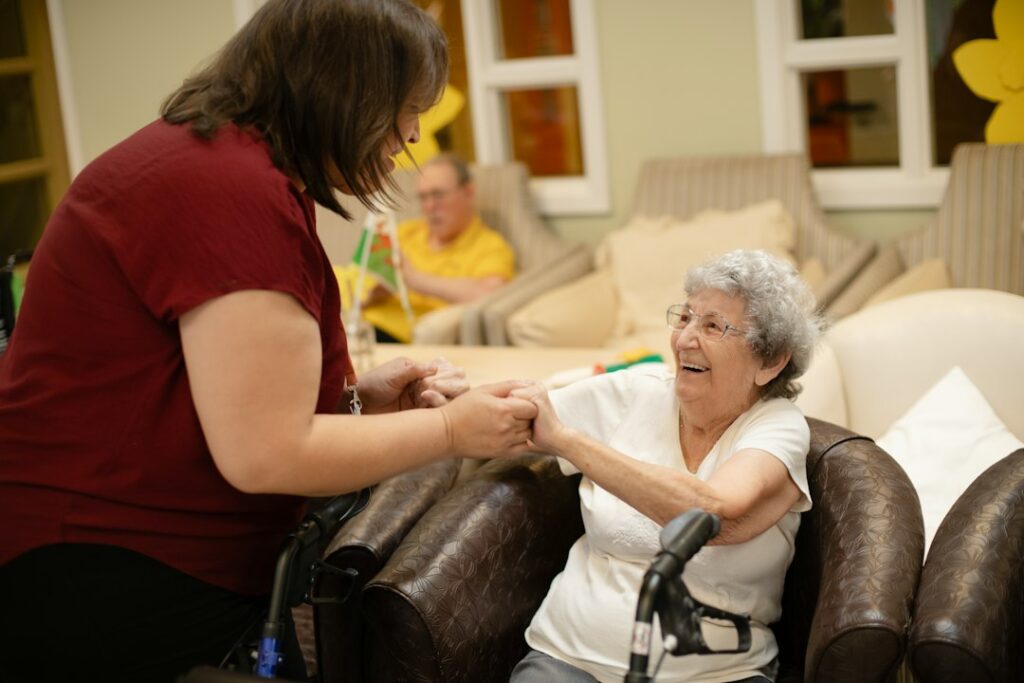
Moving into assisted living can bring relief, uncertainty, sadness, and even resistance. A loved one may appreciate having support nearby while still missing familiar routines, possessions, neighbors, or privacy. Family members can help most by offering steady reassurance, practical support, and patience during the adjustment period.
How long does it take to adjust after an assisted living move?
Many residents begin settling in within several weeks, but adjustment does not follow a fixed schedule. Some people become comfortable quickly, while others need several months to build trust and feel at home.
The transition may be affected by:
- Memory loss or changes in thinking
- Health conditions, pain, or fatigue
- Hearing or vision difficulties
- The loss of a spouse, pet, home, or familiar neighborhood
- Whether the move was planned or required after a health crisis
- The amount of social contact available
- Previous experiences with care settings
A difficult first week does not necessarily mean the move was a mistake. Unfamiliar surroundings can make ordinary tasks feel exhausting. Family members should watch for gradual signs of progress, such as eating more regularly, recognizing staff, attending an activity, or talking about another resident.
What should family members do during the first few weeks?
The first visits should focus on comfort rather than inspection. Instead of asking whether everything is perfect, ask how the day felt and what would make tomorrow easier.
Helpful approaches include:
- Bring a familiar snack, photograph, blanket, book, or small household item.
- Help organize drawers and closets so frequently used items are easy to find.
- Write names on clothing and personal belongings if items are shared or sent to laundry.
- Keep visits calm and reasonably short if the resident becomes tired or overwhelmed.
- Notice practical concerns, such as a difficult-to-reach lamp, confusing television controls, or uncomfortable shoes.
- Create a predictable visiting pattern so the resident knows when to expect family.
During winter in Harrisburg, PA, weather can limit driving and outdoor activity. Families may need backup plans for snowy or icy days, such as a regular phone call, video visit, mailed card, or indoor activity together. A missed visit is less upsetting when the resident already knows how communication will continue.
Should family visit every day?
Daily visits are not required, and frequent visits are not always helpful if they leave the resident feeling monitored or emotionally drained. A dependable schedule is often more useful than an unpredictable pattern of long visits.
Some residents benefit from:
- Several brief visits each week
- A consistent evening or weekend phone call
- A shared meal at a regular time
- A family calendar showing upcoming visits
- Messages from relatives who live farther away
- Visits from different family members rather than one person carrying all responsibility
Pay attention to the resident’s response after visits. If the person seems calmer and more connected, the routine is likely helpful. If visits repeatedly lead to distress, exhaustion, or arguments, shorten them or change the setting and timing.
How can family help a loved one make friends?
Social connections usually develop more easily when participation feels voluntary. Encouragement is useful, but pressure can make a resident withdraw.
Ask about interests that existed before the move, such as music, gardening, sports, faith, cooking, puzzles, current events, crafts, or local history. These interests can provide natural conversation starters. A family member might attend an activity with the resident once, introduce the person to someone with a shared interest, or bring a familiar hobby from home.
It can also help to set smaller goals. Saying “Try one activity this week” may feel more manageable than expecting the resident to join a full schedule immediately.
Some people prefer one-on-one conversations to group events. Others need time to observe before participating. Quiet involvement, such as sitting near an activity or listening to music in a common area, can be an early step toward social comfort.
What if the resident says, “I want to go home”?
This statement may express grief, fear, confusion, or a desire for control rather than a literal plan to leave. Arguing about whether the resident can return home often increases frustration.
A calmer response might be:
- “You miss your home. What do you miss most?”
- “Let’s talk about what would make this room feel more familiar.”
- “You are safe, and I am here with you.”
- “Would you like to look at your photos or take a short walk?”
The right response depends on the situation. If the resident is repeatedly distressed, refusing food, not sleeping, experiencing sudden confusion, or showing a major change in behavior, family should share those observations with the care team. Sudden changes can sometimes be related to illness, medication effects, dehydration, pain, or infection rather than adjustment alone.
How can a resident keep a sense of independence?
Assisted living should not mean giving up every personal choice. Family members can support independence by offering manageable decisions rather than taking over automatically.
Examples include asking:
- Which shirt would you like to wear?
- Would you prefer a morning or afternoon visit?
- Where should this photograph be placed?
- Would you like to attend the music program or spend time in your room?
- Which personal items should stay on the dresser?

Allow extra time for the resident to answer or complete a task. Moving too quickly can unintentionally communicate that the person is incapable. At the same time, family should not encourage unsafe activities, such as driving when it is no longer safe, walking on icy surfaces without appropriate support, or managing medications independently when supervision is required.
How should family communicate with the care team?
Clear, respectful communication helps prevent small concerns from becoming larger problems. Keep a brief record of questions, changes in mood, sleep, appetite, mobility, or memory. Share specific observations rather than general judgments.
For example, “She has skipped breakfast three mornings this week” is more useful than “She is not doing well.”
Family members should also learn:
- How routine updates are provided
- Who should be contacted about health changes
- Which concerns require immediate attention
- How personal preferences are documented
- How appointments, transportation, and medication questions are handled
- Whether the resident has signed permissions regarding information sharing
A family disagreement may arise if relatives have different expectations about visits, spending, privacy, or medical decisions. A written communication plan can reduce confusion and prevent the resident from having to repeat the same information to several people.
What belongings are most helpful after the move?
Familiar items can make a new room feel personal, but too many belongings may create clutter or fall hazards. Choose items that carry emotional meaning and are easy to maintain.
Useful choices may include:
- Family photographs with names written on the back
- A favorite chair, if the room allows it safely
- A familiar quilt or washable blanket
- A large clock or calendar
- Favorite music
- A small collection of books
- A clearly labeled keepsake box
- Comfortable clothing suited to the season
In the region’s changing weather, clothing should be reviewed periodically. Residents may need lightweight layers for warm, humid days and easy-to-manage outerwear during colder months. Shoes should fit securely and provide stable support.
How can family care for its own emotions?
Relatives may feel guilt, grief, anger, or uncertainty after the move. These feelings do not mean the decision was wrong or that the family is failing. A resident’s adjustment is usually easier when family members avoid making every visit a test of whether the move is working.
Set realistic goals: safety, comfort, familiar routines, meaningful connection, and gradual participation. Continue ordinary family traditions when possible, such as celebrating birthdays, sharing photographs, watching a favorite program, or preparing a familiar seasonal activity. Consistent support helps the resident build a new sense of home without erasing the life that came before.
