
How Do Assisted Living Staff Help Residents on a Daily Basis?
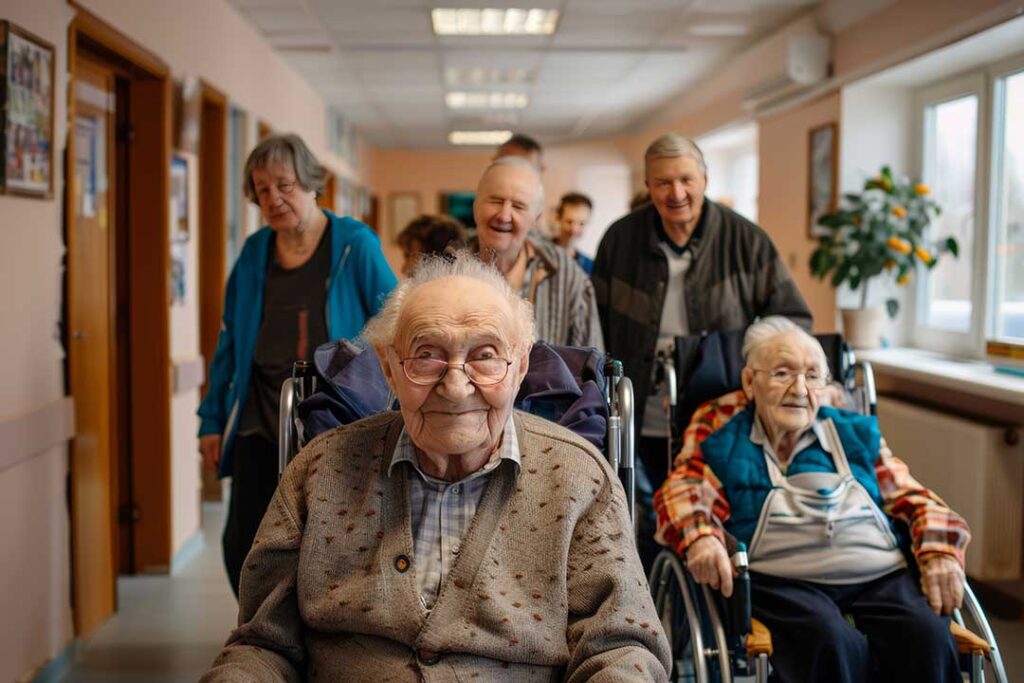
Assisted living staff play a central role in supporting the daily lives of residents. In Harrisburg, PA, these professionals ensure residents feel safe, cared for, and empowered to maintain independence where possible. Staff assist with a range of everyday tasks, adapting support to individual needs and preferences.
Support typically includes help with personal care (such as bathing and dressing), medication reminders, and mobility assistance. Staff are trained to recognize when someone’s needs change and to adjust care accordingly, always balancing support with respect for residents’ choices.
What Does Personal Care Support Look Like?
Personal care means helping with basic daily activities—what professionals call "activities of daily living" (ADLs). This might include:
- Bathing, grooming, and dressing
- Assistance with getting in and out of bed or chairs
- Help with toileting and hygiene routines
Many residents in Harrisburg find that having this kind of support allows them to preserve energy for the activities they enjoy most. Staff are respectful of residents’ privacy and dignity, often collaborating closely to determine how much help is truly needed, and always communicating before providing hands-on assistance.
How Is Medication Managed for Residents?
Medication management is a key responsibility for assisted living staff. In a typical Harrisburg setting, staff ensure medication is taken as prescribed, which may involve:
- Reminders to take medication on schedule
- Assistance in opening containers or organizing pillboxes
- Monitoring for side effects or potential problems
If a resident's medication routine changes seasonally—such as allergy medications in spring or adjustments during cold Pennsylvania winters—staff work with families and healthcare providers to keep care plans updated.
Are Meals and Nutrition Handled by Assisted Living Staff?
Yes, meals are an important part of daily support. Local staff ensure residents receive well-balanced, nutritious options, often taking into account dietary needs, allergies, and personal preferences. In Harrisburg, meals are typically served in a communal dining area, encouraging social interaction. However, staff can provide meals in a resident’s room if needed, especially during illness or periods of limited mobility.
Some residents choose to participate in menu planning or preparation for a sense of routine and community engagement. Staff receive training on food safety, local health department regulations, and adaptive techniques to support residents with swallowing or chewing difficulties.
How Do Staff Support Social and Emotional Well-Being?
Staff are more than caregivers—they foster a sense of belonging and emotional health. In Harrisburg, direct support might include:
- Organizing group activities and events tailored to local interests and the season, such as Pennsylvania Dutch crafts or wintertime social hours
- Sitting and conversing with residents, listening to memories or concerns
- Noticing signs of social withdrawal or sadness, and offering gentle encouragement to participate in community life
In addition, staff often facilitate connections between residents and their families, whether by helping with phone calls, video chats, or in-person visits.
What About Safety and Emergency Assistance?
Residents and their families often worry about safety. Assisted living staff are trained to respond quickly to emergencies, from falls to severe weather events common in the region. Support includes:
- Regular wellness checks and nighttime rounds
- Monitoring for hazards like slippery floors (particularly important during icy Harrisburg winters)
- Training in CPR and first aid
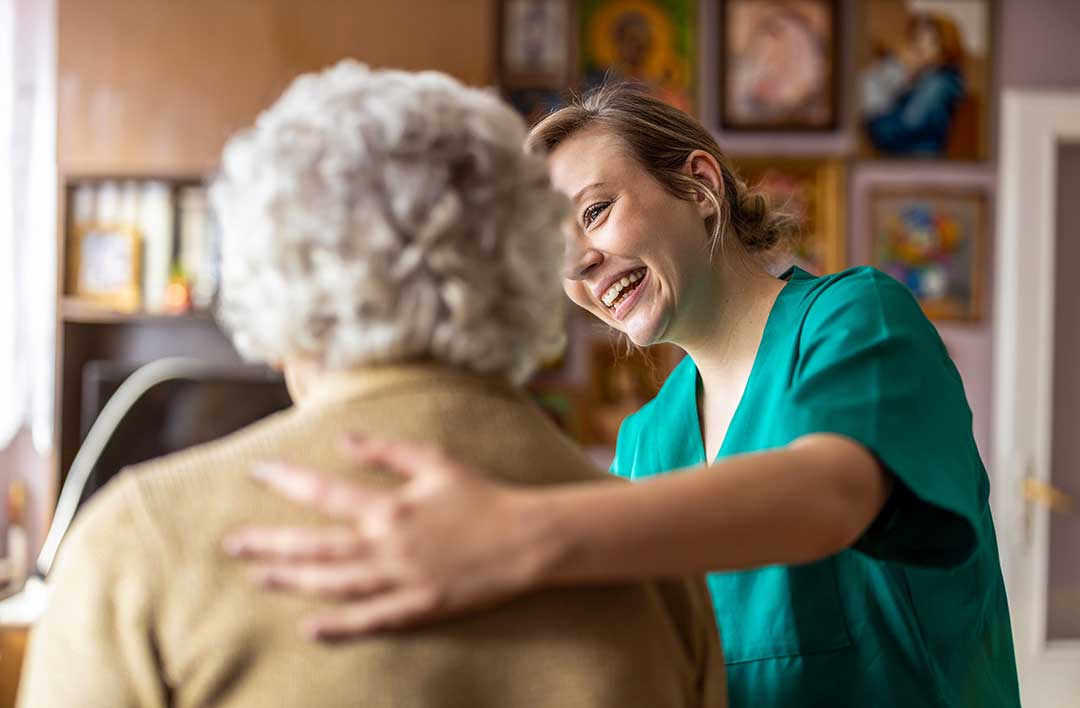
Staff also help with fire drills and emergency preparedness practice, so all residents know what to expect if an alarm sounds.
How Is Independence Respected in Assisted Living Settings?
Many people worry that moving into assisted living means losing control over daily choices. In Harrisburg, staff are guided by the principle of supporting independence. This might mean:
- Allowing residents to do tasks themselves, offering help only when requested or needed
- Encouraging residents to personalize their living spaces with familiar items from home
- Supporting participation in community decisions through resident councils or suggestion boxes
Residents are encouraged to set their own daily routines, make choices about activities, and stay involved in hobbies and interests.
What Qualifications and Training Do Assisted Living Staff Receive?
Staff in the area receive job-specific training to understand residents’ needs, state regulations, and emergency response. Training typically covers:
- Personal care techniques
- Medication protocols
- Communicating respectfully with older adults
- Local health department requirements
In addition to initial orientation, staff complete ongoing education to refresh their skills and learn about new best practices. Local staff are also trained on unique needs that may arise due to climate or regional health trends (such as flu season preparedness).
Are There Staff Around the Clock?
Residents and family members often wonder about night and weekend coverage. Most assisted living settings in Harrisburg maintain staff onsite 24/7. While levels may vary between daytime and overnight shifts, someone is always available to respond to urgent needs or health changes, even during holidays or snowstorms.
Can Staff Adapt to Changing Needs Over Time?
Residents’ needs typically evolve, whether due to health changes, recovery from illness, or simply aging in place. Local assisted living staff work closely with residents, families, and, when needed, healthcare providers to regularly review support plans. This provides peace of mind that assistance can increase or decrease as needed, without unnecessary disruption.
